

Key Takeaways
- The Cessna 172 Skyhawk provides unmatched stability for aerial mapping with its high-wing design and forgiving flight characteristics, making it ideal for capturing clear, consistent imagery.
- A typical mapping setup for the Skyhawk costs between $15,000-$50,000 depending on equipment quality, offering an excellent return on investment compared to drone alternatives for large-scale surveys.
- The aircraft’s 800-1000 nautical mile range and 4-5 hour endurance make it perfect for extended mapping missions covering vast territories in a single flight.
- Airspeed Junkie offers specialized training and equipment recommendations for pilots looking to maximize their Skyhawk’s mapping capabilities.
- Modern mapping Skyhawks can be equipped with sophisticated camera arrays and LiDAR systems capable of centimeter-level accuracy across various applications from urban planning to precision agriculture.
Why the Cessna 172 Skyhawk Dominates Aerial Mapping
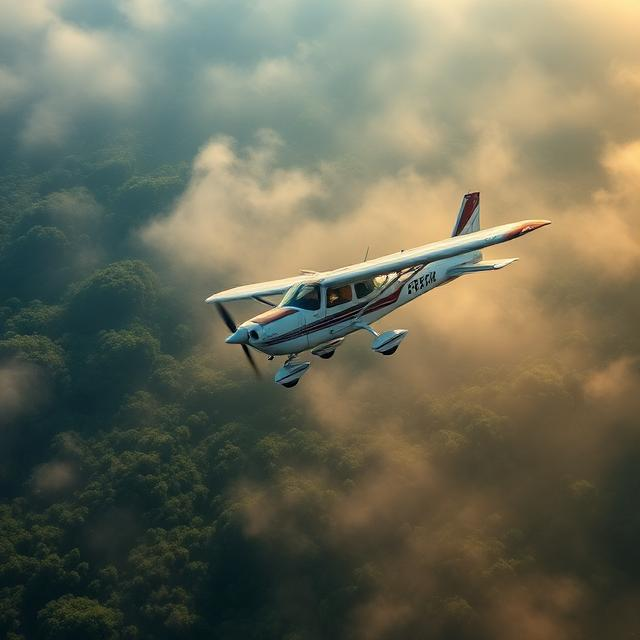
When precision meets reliability in the sky, the Cessna 172 Skyhawk stands alone. For decades, this iconic aircraft has been the go-to platform for aerial mapping professionals who demand consistent results over varied terrain. The marriage between the Skyhawk’s inherent stability and its adaptable platform creates a uniquely effective tool for geospatial data collection that Airspeed Junkie pilots have come to trust for the most demanding aerial survey missions.
The Cessna 172’s dominance in mapping operations isn’t accidental. Since its introduction in 1956, this aircraft has evolved alongside photogrammetry technology, providing an increasingly refined platform for aerial data collection. What makes the Skyhawk particularly suited for mapping is its predictable handling characteristics and remarkably stable flight profile. These qualities translate directly to cleaner data sets with fewer artifacts and distortions that plague less stable platforms.
Unlike purpose-built survey aircraft costing millions, the Skyhawk offers an accessible entry point for mapping professionals with acquisition costs typically under $200,000 for late-model aircraft. This economic advantage extends to operational costs, with hourly operating expenses roughly half that of twin-engine alternatives. The simple mathematics of affordability, combined with the aircraft’s proven reliability record of over 44,000 units produced, explains why more aerial survey miles are flown behind the Skyhawk’s distinctive nose than any other aircraft in history.
Technical Specs That Make the Skyhawk Perfect for Mapping
The Cessna 172 Skyhawk’s technical specifications create a nearly perfect balance for aerial mapping operations. With a typical cruise speed of 110-140 knots, the aircraft moves quickly enough to cover substantial territory while remaining slow enough to capture high-resolution imagery without motion blur. This “Goldilocks zone” of aerial survey speeds pairs perfectly with the aircraft’s service ceiling of 14,000 feet, allowing operators to achieve the ideal ground sampling distance for most mapping applications.
Power comes from the reliable Lycoming IO-360-L2A engine in modern Skyhawks, delivering 180 horsepower that strikes an optimal balance between performance and efficiency. This powerplant provides approximately 4-5 hours of endurance with reserves, translating to 800-1000 nautical miles of mapping coverage per flight. The steady, vibration-minimal operation of this engine further enhances image quality by reducing camera shake that can compromise data integrity.
Cessna 172 Skyhawk Mapping Specifications
Cruise Speed: 110-140 knots
Endurance: 4-5 hours with reserves
Mapping Range: 800-1000 nm
Service Ceiling: 14,000 feet
Useful Load: 800-900 lbs
Camera Mount Points: Wing struts, belly ports, or custom installations
Typical Mapping Altitude: 1,000-10,000 feet AGL
Ground Sampling Distance: 1-30 cm (altitude dependent)
Stable Flight Characteristics for Clear Imagery
The high-wing configuration of the Cessna 172 provides inherent stability that directly translates to superior mapping results. This design creates a natural pendulum effect, with the center of gravity hanging below the wing’s lifting surface, automatically correcting minor disturbances and maintaining level flight. The Skyhawk’s generous wing area of 174 square feet further enhances stability by providing substantial lift at survey speeds, minimizing the need for constant power adjustments that could affect image consistency. When coupled with the aircraft’s benign stall characteristics, these features allow pilots to maintain precise flight parameters with minimal workload, ensuring uniform coverage across large survey areas. For those interested in professional pilot training, understanding these flight dynamics is crucial.
Engine Performance and Fuel Efficiency for Extended Missions
The Lycoming engine powering most mapping Skyhawks offers remarkable reliability with time between overhaul often exceeding 2,000 hours. This dependability is crucial for survey operations in remote areas where maintenance support may be limited. Fuel efficiency stands at approximately 8-10 gallons per hour during typical mapping operations, allowing for extended missions without compromise. The engine’s smooth power delivery minimizes vibration-induced image degradation, while its straightforward operation reduces pilot workload during critical data collection phases. These performance characteristics make the Skyhawk an ideal platform for extended survey missions covering hundreds of square miles in a single sortie.
Payload Capacity for Essential Mapping Equipment
The Cessna 172 Skyhawk offers an impressive useful load of approximately 800-900 pounds, providing ample capacity for specialized mapping equipment alongside the pilot and potential observers. This generous allowance permits the installation of sophisticated camera systems, LiDAR units, and supporting computers without compromising flight performance. For typical mapping configurations, operators can easily accommodate up to 150 pounds of imaging equipment while maintaining sufficient fuel reserves for 4+ hour missions.
Strategic weight distribution becomes crucial when outfitting a Skyhawk for mapping operations. The aircraft’s CG (center of gravity) envelope allows for flexible equipment placement, with common mounting locations including floor-mounted camera ports, wing-strut attachments, or specially designed belly pods. Professional mapping operations often utilize custom-fabricated camera mounts that maintain precise alignment even in turbulent conditions, ensuring geometric accuracy in the resulting datasets.
Optimal Cruising Speed and Altitude for Data Collection
The Skyhawk’s performance envelope aligns perfectly with mapping requirements, offering stable flight at speeds between 70-120 knots—ideal for balancing coverage area with image quality. At typical mapping speeds around 90 knots, the aircraft maintains rock-solid stability while allowing operators to cover approximately 90-100 nautical miles per hour of flight time. This speed range minimizes image blur while maximizing survey efficiency, making the 172 particularly well-suited for medium to large-scale mapping projects.
Altitude flexibility represents another key advantage of the Cessna 172 platform. The aircraft comfortably operates throughout the altitude range most relevant for photogrammetry and LiDAR collection, typically between 1,000-10,000 feet AGL (Above Ground Level). Lower altitudes provide higher resolution but cover less area, while higher altitudes sacrifice some detail for greatly expanded coverage. The Skyhawk’s oxygen-optional ceiling of 14,000 feet offers mapping professionals the ability to tailor their collection parameters precisely to project requirements without pushing the aircraft beyond its comfort zone.
Essential Equipment for Transforming Your Skyhawk into a Mapping Platform
Converting a standard Cessna 172 into a capable mapping platform requires strategic equipment selection and integration. The transformation begins with determining the primary mission profile—whether photogrammetry, LiDAR collection, or multispectral imaging—as each requires different hardware configurations and mounting solutions. Professional mapping operators typically invest between $15,000-$50,000 in specialized equipment beyond the aircraft itself, with system sophistication scaling according to accuracy requirements and intended applications.
Camera Systems and Mounting Options
The heart of any aerial mapping system is its imaging capability, with options ranging from consumer-grade DSLR cameras to specialized metric mapping cameras costing upwards of $25,000. Modern mapping operations frequently employ medium-format cameras with 100+ megapixel sensors coupled with precision-calibrated lenses that minimize distortion. These systems mount to the aircraft through vibration-isolated platforms that counteract engine vibration and aerodynamic forces. For the Skyhawk specifically, the most common mounting configurations include floor ports with downward-facing cameras, wing-strut attachments for oblique imagery, and specially designed belly pods for multi-camera arrays.
Camera triggering systems synchronize precisely with GPS position data, ensuring each image contains accurate geolocation information. Advanced setups incorporate inertial measurement units (IMUs) that record the exact aircraft attitude (pitch, roll, yaw) at the moment of exposure, significantly improving the geometric accuracy of the final mapping products. For comprehensive coverage, many operators install multiple cameras firing in sequence or simultaneously to capture forward, nadir, and oblique perspectives, maximizing the information gathered during each flight line.
LiDAR Integration Possibilities
Light Detection and Ranging (LiDAR) systems represent the cutting edge of aerial mapping technology, and the Cessna 172 provides an excellent platform for these sophisticated sensors. Modern compact LiDAR units weighing under 100 pounds can be integrated into Skyhawk mapping systems, offering unprecedented terrain mapping capabilities even through vegetation canopy. The aircraft’s stable flight characteristics and adequate payload capacity make it possible to collect high-density point clouds with accuracies approaching 5-10 centimeters vertically across diverse landscapes.
Mounting considerations for LiDAR equipment require particular attention to vibration isolation and precise alignment. Custom-fabricated belly mounts typically provide the optimal solution, placing the scanner in a position to capture wide swaths of terrain with minimal obstruction from the aircraft structure. Power requirements for LiDAR systems often necessitate additional electrical system modifications, typically including supplemental alternators or dedicated battery systems to handle the substantial power draw without compromising aircraft systems.
GPS and Navigation Systems for Precise Flight Paths
Precision navigation forms the backbone of effective aerial mapping operations, with dual-frequency GNSS receivers providing centimeter-level positioning accuracy throughout the mission. The Skyhawk’s instrument panel offers ample space for dedicated mapping navigation displays that present survey lines and coverage information directly in the pilot’s field of view. Modern systems incorporate real-time differential correction through satellite or ground-based reference stations, ensuring that position data meets the strict accuracy requirements of professional mapping products.
Executing Perfect Survey Lines
Executing perfect survey lines with a Cessna 172 requires both piloting finesse and technological assistance. The key lies in maintaining consistent altitude, heading, and speed throughout each survey line. Most professional mapping pilots utilize autopilot systems during data collection, programming precise tracks with tight tolerances for vertical and horizontal deviation. When flying manually, pilots develop techniques like using distant visual references to maintain exact headings and managing power with minor adjustments rather than large throttle movements that could introduce altitude variations.
Managing Crosswinds for Image Stability
Crosswinds present one of the greatest challenges to image quality in aerial mapping operations. When flying the Cessna 172 in crosswind conditions, the crab angle required to maintain a straight ground track can compromise nadir imagery if not properly accounted for. Professional mapping systems address this by incorporating gyro-stabilized camera mounts that maintain vertical orientation regardless of aircraft attitude, ensuring consistent ground sampling distance across the entire survey area.
The Skyhawk’s natural stability assists pilots in managing these crosswind effects. Its high-wing design and generous dihedral angle provide inherent resistance to rolling motions induced by gusting crosswinds. Experienced mapping pilots learn to anticipate wind shifts by watching ground references and making small, anticipatory control inputs that prevent sudden aircraft movements that could blur imagery.
For operations requiring absolute precision, many mapping companies establish wind limitations specific to project requirements. Typically, crosswinds exceeding 15 knots begin to significantly impact image quality, while winds above 20 knots often necessitate rescheduling flights entirely. The decision matrix typically weighs the increased operating costs of additional flight days against the potential data quality compromises of operating in marginal conditions.
- Limit mapping operations to crosswinds below 15 knots for optimal results
- Use gyro-stabilized camera mounts to compensate for aircraft attitude changes
- Adjust flight lines to fly into headwinds or tailwinds when possible
- Consider higher altitude operations in windy conditions to reduce ground-relative turbulence effects
- Monitor real-time image quality when possible to verify acceptable results
Communication Protocols with Ground Teams
Effective communication between airborne mapping crews and ground personnel significantly enhances operational efficiency. Professional aerial survey operations establish clear protocols that minimize unnecessary radio chatter while ensuring all critical information flows smoothly. Most operations designate a mapping coordinator who serves as the primary point of contact between the aircraft and ground teams, relaying information about coverage progress, equipment status, and changing environmental conditions that might affect data quality.
Digital data links increasingly supplement traditional voice communications, transmitting real-time position information and even sample images to ground stations where quality control specialists can verify proper system operation without interrupting the flight crew. This technological advancement allows immediate identification of equipment issues or coverage gaps, enabling them to be addressed while the aircraft remains on station rather than discovering problems after the mission concludes. For pilots looking to enhance their flight experience with advanced tools, ForeFlight offers an ultimate electronic flight bag solution.
Software Solutions for Processing Skyhawk-Collected Data
The vast quantities of raw data collected during Cessna 172 mapping missions require sophisticated processing workflows to transform into actionable geospatial products. Modern photogrammetry and LiDAR processing capabilities have evolved dramatically, with software solutions capable of handling terabytes of information through largely automated pipelines. These systems leverage the precise position and orientation data recorded during flight to stitch thousands of individual images into seamless orthomosaics or convert millions of LiDAR returns into accurate 3D point clouds.
Processing infrastructure represents a significant investment beyond the aircraft and collection equipment, with high-performance computing systems and specialized software licenses often exceeding $50,000 for professional-grade solutions. Many mapping operations leverage cloud computing resources to handle peak processing loads, allowing more efficient resource allocation and faster turnaround times during busy seasons without maintaining excessive in-house computing capacity.
Photogrammetry Software Options
The photogrammetry software landscape offers solutions ranging from consumer-grade applications to sophisticated enterprise systems. Industry leaders like Agisoft Metashape, Pix4D, and Bentley ContextCapture provide comprehensive workflows that handle camera calibration, image alignment, dense matching, and orthomosaic generation. These platforms increasingly incorporate machine learning algorithms that dramatically improve processing speed and accuracy, automatically identifying and removing artifacts while enhancing feature extraction capabilities. Selection criteria typically include processing speed, maximum project size handling, automated quality control features, and integration capabilities with existing GIS and CAD environments.
Point Cloud Processing Tools
LiDAR data collected from Skyhawk platforms requires specialized processing tools to filter, classify, and extract meaningful information from billions of individual points. Software solutions like TerraSolid, Global Mapper LiDAR Module, and LAStools provide the functionality needed to transform raw point clouds into classified datasets identifying ground, vegetation, buildings, and other features. Advanced users often develop custom processing pipelines combining multiple software platforms to address specific requirements, particularly for specialized applications like forestry inventory, power line monitoring, or archaeological investigation where standard workflows may not extract all relevant information.
GIS Integration Methods
The ultimate value of Skyhawk-collected mapping data comes through integration with broader geographic information systems that allow analysis, visualization, and decision support. Modern GIS platforms like ArcGIS, QGIS, and Global Mapper provide direct import capabilities for processed mapping products, enabling seamless incorporation into existing geospatial databases. Web-based delivery platforms have dramatically expanded in recent years, allowing mapping providers to deliver results through interactive online portals where clients can measure, annotate, and extract information without specialized software. This democratization of access represents a fundamental shift in how aerial mapping data drives decision-making across industries from construction and development to agriculture and natural resource management.
Future-Proofing Your Skyhawk Mapping Operations
The aerial mapping industry continues evolving rapidly, with technological advancements constantly reshaping capabilities and expectations. Future-proofing a Cessna 172 mapping operation requires strategic equipment selection that balances current requirements against anticipated developments. Modular system designs offer significant advantages by allowing component upgrades without complete platform overhauls. Savvy operators focus on maintaining aircraft airworthiness while designing equipment installations that can accommodate sensor evolution without major reconfiguration.
Strategic partnerships with technology providers and software developers provide another avenue for remaining competitive in this dynamic landscape. Many equipment manufacturers offer upgrade paths that protect initial investments while providing access to emerging capabilities. Similarly, software subscription models ensure access to the latest processing algorithms and feature extraction capabilities without major capital expenditures. The most successful mapping operations maintain close relationships with their clients, understanding evolving requirements and adjusting capabilities proactively rather than reactively.
Frequently Asked Questions
The specialized nature of aerial mapping operations generates numerous questions from those considering entering this field or expanding existing capabilities. The following frequently asked questions address common concerns regarding equipment, operations, regulations, and economics of Cessna 172-based mapping systems. These insights come from decades of collective experience across hundreds of mapping operators worldwide who have refined techniques and strategies through practical application.
While every mapping operation faces unique challenges based on geography, client requirements, and regulatory environments, these general guidelines provide a starting point for developing specialized solutions tailored to specific needs. Consultation with experienced mapping professionals can help avoid costly mistakes and accelerate the learning curve for new entrants to this specialized aviation sector.
How much does it cost to outfit a Cessna 172 for mapping operations?
Outfitting a Cessna 172 Skyhawk for professional mapping operations typically requires an investment of $15,000-$50,000 beyond the aircraft itself, depending on equipment sophistication and mission requirements. Basic photogrammetry setups utilizing consumer-grade cameras and simple mounting systems represent the lower end of this range, while advanced multi-camera arrays or LiDAR integration push costs toward the upper end. Additional costs include aircraft modifications like camera ports ($2,000-$5,000), supplemental type certificates if required ($5,000-$10,000), and specialized avionics for precision navigation ($3,000-$8,000).
Operating costs must also be considered when evaluating the total investment. A well-maintained Cessna 172 typically costs $120-$180 per hour to operate including fuel, maintenance reserves, and insurance. Professional mapping missions often require additional crew members beyond the pilot, adding labor costs of approximately $40-$80 per hour depending on qualifications. Processing infrastructure and software licensing represent another significant cost center, with annual expenses ranging from $5,000 for basic setups to over $20,000 for enterprise-grade solutions.
What resolution can I achieve with a Skyhawk-based mapping system?
Resolution capabilities with Cessna 172 mapping systems depend primarily on sensor quality, flight altitude, and atmospheric conditions rather than aircraft limitations. Using modern medium-format 100-megapixel cameras, operators routinely achieve ground sampling distances (GSD) of 2-5 centimeters from typical mapping altitudes of 1,500-3,000 feet AGL. Higher resolution (down to 1 cm GSD) remains possible at lower altitudes, though coverage efficiency decreases substantially. LiDAR systems mounted on Skyhawks typically generate point densities of 10-50 points per square meter with vertical accuracies of 5-10 centimeters depending on equipment quality and flight parameters.
Do I need special pilot certification for aerial mapping missions?
Standard pilot certification (Private, Commercial, or ATP) with appropriate ratings for the Cessna 172 provides the basic qualifications for aerial mapping operations. However, commercial mapping requires operating under Part 135 or specific FAA exemptions depending on the nature of the operation. Most professional mapping companies require pilots to hold commercial certificates at minimum, with instrument ratings strongly preferred for operating in diverse weather conditions and airspace environments. For those interested in enhancing their skills, exploring professional pilot training options can be beneficial.
Beyond regulatory requirements, practical considerations dictate additional training specific to mapping operations. Precision flight line tracking, altitude maintenance, and specialized communication protocols all require skills beyond standard pilot training. Many companies develop in-house training programs focused on these specialized techniques, with junior pilots often serving as camera operators or observers before advancing to pilot-in-command roles on actual mapping missions.
How does weather affect mapping quality with the Cessna 172?
Weather conditions dramatically impact mapping data quality, with cloud shadows, atmospheric haze, and turbulence presenting the most significant challenges. Professional operations typically restrict mapping to days with cloud bases at least 1,000 feet above planned flight altitude and visibility exceeding 10 miles to ensure consistent illumination and image clarity. Early morning or late afternoon missions often yield the highest quality data due to enhanced shadow definition that improves feature extraction algorithms, though midday operations maximize available flight hours during short winter days.
Can a Cessna 172 carry both LiDAR and camera systems simultaneously?
The Cessna 172 can indeed carry both LiDAR and camera systems simultaneously, though payload limitations require careful equipment selection. Modern compact LiDAR sensors weighing 5-15 pounds pair effectively with lightweight camera systems to provide complementary datasets without exceeding the aircraft’s useful load. This combination delivers particularly valuable results for applications requiring both precise elevation models and visual imagery, such as flood mapping, infrastructure assessment, and comprehensive development planning.
Integration challenges for combined systems include power management, as LiDAR sensors typically require significant electrical capacity beyond the aircraft’s standard alternator output. Many operators install supplementary power systems or strategically manage duty cycles to prevent overloading the electrical system. Data storage requirements also approximately double with dual-sensor operations, necessitating increased onboard capacity and more robust data handling protocols.
Despite these challenges, the ability to collect synchronized LiDAR and imagery datasets represents a significant operational advantage by eliminating temporal discrepancies between datasets and reducing total flight hours required for comprehensive coverage. The Cessna 172’s flexibility and accessibility make it an ideal platform for these multi-sensor mapping operations at scales that bridge the gap between drone-based collection and large aircraft surveys.
The combination of stability, affordability, and adaptability continues to secure the Cessna 172 Skyhawk’s position as a premier mapping platform for diverse applications across industries. From urban development to precision agriculture, this versatile aircraft transforms geospatial data collection from a specialized technical process into an accessible, cost-effective solution for organizations of all sizes.
For pilots and aviation businesses looking to expand into the growing aerial mapping sector, Airspeed Junkie offers specialized training and equipment selection guidance to maximize your Skyhawk’s mapping potential.
The Cessna 172 Skyhawk is renowned for its stability and ease of use, making it a popular choice for flight training and personal use. Its design has remained relatively unchanged over the years, which speaks to its enduring reliability and performance. With advanced avionics and a robust airframe, the Skyhawk is also utilized in various commercial operations, including precision mapping. For those interested in exploring advanced flight simulation, the X-Plane movement offers a realistic experience that complements the training capabilities of the Cessna 172.