

Article-at-a-Glance
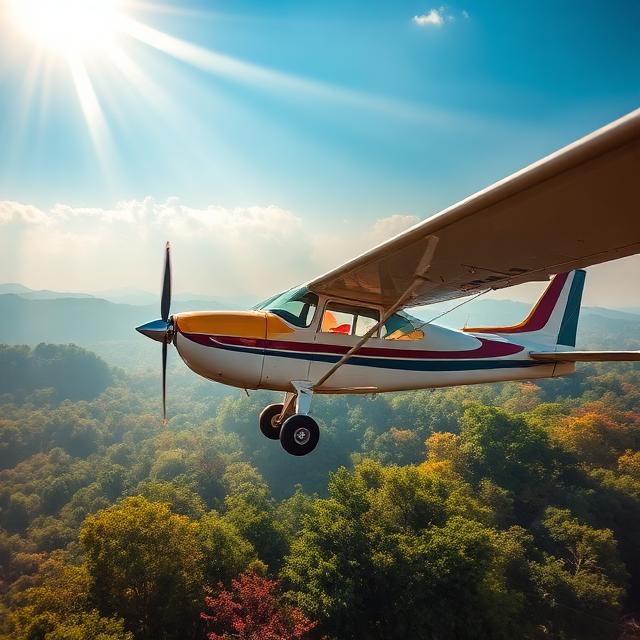
- The Piper PA-28 Cherokee offers an exceptional platform for aerial sightseeing with its stable flight characteristics and panoramic windows
- Flying in a Cherokee provides access to breathtaking views that are simply impossible to experience from the ground
- From coastal routes to mountain ranges, the PA-28 can handle diverse sightseeing environments with remarkable efficiency
- Piper Aircraft continues to support the legendary Cherokee, making it both a reliable and accessible option for scenic flights
- Whether you’re a passenger or taking the controls yourself, a Cherokee sightseeing adventure creates unforgettable memories
There’s nothing quite like seeing the world from 3,000 feet. The patchwork of landscapes, the dramatic shift of perspective, and the freedom of flight come together to create an experience that simply can’t be matched on the ground. When it comes to aircraft perfectly suited for this aerial adventure, the Piper PA-28 Cherokee stands out as an exceptional choice for sightseeing enthusiasts.
First introduced in 1962, the Piper Cherokee has earned its reputation as one of general aviation’s most beloved aircraft. With over 32,000 built across various models, this low-wing, single-engine marvel has been delivering memorable experiences for decades. Its combination of stability, visibility, comfort, and affordability makes it ideally suited for those looking to explore the world from above.
The PA-28 Cherokee: Your Perfect Aerial Sightseeing Platform
The moment you approach a PA-28 Cherokee on the ramp, its clean lines and purposeful design hint at the adventure ahead. Unlike high-wing aircraft where the wing blocks upward visibility, or complex multi-engine planes that demand intense pilot attention, the Cherokee offers an ideal balance of visibility and simplicity. This balance translates directly to a superior sightseeing experience, where both pilots and passengers can focus on the spectacular views rather than the complexities of flight.
- Fixed tricycle landing gear for stable ground handling
- Low-wing design offering excellent downward visibility
- Straightforward systems allowing the pilot to focus on the experience
- Four-seat configuration perfect for small groups and families
- Cruising speed of approximately 125 knots – fast enough to cover ground while slow enough to appreciate the scenery
One of the most compelling aspects of the Cherokee for sightseeing purposes is its predictable handling characteristics. Even in slightly bumpy air, the aircraft maintains a level of stability that keeps passengers comfortable. This is particularly valuable when flying scenic routes that might involve changing terrain and variable air conditions. The last thing you want during your aerial tour is a stomach-churning ride, and the Cherokee delivers a smooth experience that allows everyone to focus on the views rather than airsickness bags. For those interested in enhancing their flight experience, ForeFlight is the ultimate EFB for pilots to consider.
What Makes the Piper PA-28 Ideal for Sightseeing Adventures
When evaluating aircraft for sightseeing, several factors come into play: visibility, comfort, range, and operating economics. The PA-28 Cherokee excels in each of these categories, making it a standout choice for those looking to experience the world from above. Whether you’re booking a flight with a tour operator or considering an aircraft for your own flying adventures, understanding these strengths helps explain why Cherokees remain so popular for scenic flights.
Stable Flight Characteristics for Smooth Viewing
The Cherokee’s design incorporates a laminar flow wing that provides remarkable stability in flight. This translates to a platform that remains steady even when flying at slower speeds ideal for sightseeing. The aircraft responds predictably to control inputs, without the twitchy nature of some sportier designs, allowing the pilot to maneuver smoothly for optimal viewing angles. This stability is particularly valuable when passengers want to photograph landmarks or natural features, as the reduced vibration and steady platform significantly improve photo quality. For pilots seeking advanced tools, ForeFlight is the ultimate EFB for enhancing flight experience.
Large Windows Offering Spectacular Panoramic Views
Perhaps the Cherokee’s greatest asset for sightseeing is its generous window configuration. The large side windows extend well below shoulder level, providing exceptional downward visibility that’s crucial for spotting landmarks and landscapes. The wraparound rear windows allow passengers in back seats to enjoy nearly the same viewing experience as those up front. Even the windshield design offers excellent forward and partial upward visibility, creating a near-panoramic experience that immerses passengers in the aerial environment.
“Flying in a Cherokee changed my perspective on travel completely. The ability to look down and see familiar landscapes transformed by altitude gave me a new appreciation for the world we live in. Those windows are like IMAX screens to the real world.” — Chris Miller, Cherokee owner and sightseeing enthusiast
The viewing experience in a Cherokee is further enhanced by the aircraft’s ability to fly slowly when needed. With a stall speed of around 50 knots (with flaps), the aircraft can safely cruise at 80-90 knots when maximum sightseeing time over a particular area is desired. This slower speed capability, combined with the excellent stability mentioned earlier, creates the perfect combination for absorbing the scenery below. Compare this to commercial jets that cruise at 450+ knots at 35,000 feet, and you’ll understand why the Cherokee offers a completely different—and often superior—sightseeing experience. For those interested in the latest aviation innovations, learn how Indra is redefining aviation training with realistic scenarios using AR and VR technology.
Comfortable Cabin for Extended Scenic Flights
The Cherokee’s cabin provides a comfortable environment that encourages longer flights—essential when you’re covering scenic territories. With an interior width of approximately 42 inches, the cabin offers reasonable shoulder room for passengers, while the cushioned seats provide adequate support for flights typically lasting 2-3 hours. The straightforward instrument panel layout in older models means less visual clutter, allowing passengers to focus on the scenery rather than complex avionics.
Climate control is another crucial element of passenger comfort that the Cherokee handles admirably. The cabin heating system draws from engine heat and provides ample warmth during cooler seasons—particularly valuable when flying those spectacular fall foliage tours. Summer flying is assisted by adjustable fresh air vents, though it’s worth noting that unlike modern automobiles, most basic Cherokees don’t offer air conditioning unless it was added as an aftermarket option.
Reasonable Operating Costs Compared to Other Aircraft
For those considering Cherokee ownership specifically for sightseeing purposes, the economic picture is quite favorable. With fuel consumption averaging 8-10 gallons per hour for the popular 160-180 horsepower variants, operational costs remain reasonable even as aviation fuel prices fluctuate. Parts availability remains strong thanks to Piper’s continued support and a robust aftermarket. Typical maintenance intervals are predictable, with the 100-hour/annual inspection framework providing a structured approach to keeping the aircraft in top condition.
Insurance costs for PA-28s typically run lower than comparable complex aircraft due to the Cherokee’s straightforward systems and stellar safety record. For the budget-conscious aviator looking to maximize sightseeing opportunities, this economic efficiency means more hours in the air enjoying spectacular views rather than worrying about operating expenses. The PA-28’s efficiency has made it particularly popular with flying clubs and partnerships, further reducing individual costs through shared ownership models.
5 Most Breathtaking Routes to Fly in a Cherokee
Coastal Paradise: Flying the Pacific Coast Highway
While driving the Pacific Coast Highway offers stunning views, experiencing it from a Cherokee elevates the journey to extraordinary heights. Starting from Santa Barbara, flying northward at 1,500-2,000 feet provides uninterrupted views of dramatic coastal cliffs, pristine beaches, and the vast Pacific Ocean. The Cherokee’s stable platform allows passengers to spot marine life including whales and dolphin pods that frequently appear along this route. Continuing past Big Sur and Monterey Bay before concluding in San Francisco provides approximately 3 hours of unparalleled coastal beauty.
The low-wing configuration of the Cherokee actually enhances this particular route, as the wing doesn’t obstruct downward visibility toward the water when the aircraft banks for better viewing angles. Pilots familiar with this route often recommend flying it in the morning hours when coastal fog has typically cleared but before afternoon winds increase turbulence along the coastal mountains. This route’s popularity has led to the development of specialized aerial tour maps highlighting points of interest visible only from the air.
Mountain Majesty: Soaring Above the Rockies
The Rocky Mountain corridor offers some of North America’s most dramatic aerial scenery, with the Cherokee’s service ceiling of approximately 14,000 feet providing ample altitude for safely clearing mountain passes. A popular route begins in Denver, tracking northwestward over Rocky Mountain National Park with its spectacular views of Longs Peak and the Continental Divide. The Cherokee’s reliable Lycoming engine delivers consistent performance even at higher density altitudes, though pilots must always plan carefully for mountain flying.
Continuing northward toward Jackson Hole and the Grand Tetons provides a study in geological wonder, with passengers able to appreciate the massive scale of these formations in ways impossible from ground level. Photographers particularly value this route for the dramatic light and shadow play across the mountain faces during early morning and late afternoon flights. Most pilots recommend maintaining higher altitudes (10,000+ feet MSL) throughout this route and following established mountain flying practices to ensure a safe and enjoyable experience.
Desert Wonders: Monument Valley and Grand Canyon Views
The American Southwest offers perhaps the most alien and dramatic landscape accessible via general aviation, with the Cherokee providing an ideal platform for exploring this region. A popular circuit begins in Page, Arizona, heading south to overfly the eastern section of the Grand Canyon (observing all park overflight regulations), before continuing to Monument Valley. The startling contrast between red rock formations and azure skies creates photographic opportunities that have become bucket-list achievements for many aviation enthusiasts.
When flying this route in a Cherokee, pilots appreciate the aircraft’s stability in the sometimes turbulent desert air, particularly during summer months when heat-induced thermals can create bumpy conditions. The aircraft’s endurance of 4-5 hours with reserves allows for comprehensive coverage of the region without refueling concerns. Many pilots time these flights for early morning when air is smoother and the low-angle sunlight creates dramatic shadows that accentuate the three-dimensional nature of these formations. For more information on the aircraft, you can explore the Piper Cherokee Warrior.
Island Hopping Adventures in the Caribbean
For those fortunate enough to fly a Cherokee in the Caribbean, the aircraft reveals its versatility as an island-hopping platform without equal. The typical route from Puerto Rico through the Virgin Islands and down the Lesser Antilles chain offers constantly changing vistas of turquoise waters, coral reefs visible from altitude, and lush tropical islands. The Cherokee’s range makes multiple island stops possible in a single day, while its straightforward systems minimize maintenance concerns in remote locations.
The journey offers spectacular reef spotting opportunities, with the Cherokee’s relatively low flying speeds and stable platform allowing passengers to identify underwater features including shipwrecks visible from altitude. Pilots familiar with Caribbean flying often recommend mid-morning departures after any overnight precipitation has cleared but before afternoon convective activity develops. The Cherokee’s reliability is particularly valued in this environment where maintenance facilities can be limited, and its standardized systems mean that even small island FBOs can typically service the aircraft if needed. Learn more about the Piper Cherokee Warrior and its features.
Fall Foliage Tours in New England
Perhaps no seasonal display rivals New England’s fall foliage for pure visual spectacle, and experiencing it from a Cherokee offers perspectives simply unavailable to ground-bound leaf peepers. The typical route begins in the Berkshires of western Massachusetts, heading northward over Vermont’s Green Mountains where the mosaic of red, orange, and gold unfolds across rolling terrain. Continuing into New Hampshire’s White Mountains provides opportunities to circle Mount Washington (weather permitting) before tracking eastward toward the Maine coastline where the contrast between colorful forests and blue Atlantic waters creates unforgettable vistas.
The Cherokee’s excellent downward visibility proves especially valuable on this route, as passengers can appreciate the full tapestry of color below without obstruction. Most experienced pilots recommend flying this circuit in mid-October when colors typically peak, with morning flights offering the advantage of smoother air and optimal lighting conditions. The aircraft’s predictable handling characteristics become particularly valuable when flying at lower altitudes (3,000-4,000 feet AGL) to provide the best views while maintaining safe clearance from terrain. For an enhanced flight experience, many pilots rely on ForeFlight as the ultimate EFB for navigation and planning.
Planning Your Perfect PA-28 Sightseeing Flight
Maximizing your Cherokee sightseeing experience requires thoughtful planning. Unlike commercial tours with rigid schedules, private flights in a PA-28 offer the flexibility to design your aerial adventure. From selecting optimal times to understanding weather patterns, proper preparation ensures you’ll capture those postcard-perfect views that make Cherokee flights so memorable.
When planning your route, consider both visual landmarks and practical aspects like airport availability. The Cherokee’s typical range of 500-700 miles (depending on model and reserves) provides ample distance for creating loops that showcase diverse landscapes. Most experienced pilots recommend planning your route to follow natural features like coastlines, rivers, or mountain ranges, which provide both spectacular scenery and natural navigation references.
Best Time of Day for Spectacular Views
Photographers often refer to the “golden hours” shortly after sunrise and before sunset as ideal for capturing landscapes, and this principle applies perfectly to aerial sightseeing. Early morning flights typically offer smoother air, better visibility, and dramatic lighting as the sun casts long shadows that accentuate terrain features. The hours immediately following sunrise often present the clearest atmospheric conditions, with visibility frequently extending beyond 50 miles in favorable weather. For those interested in enhancing their flight experience, ForeFlight offers the ultimate EFB for pilots, providing tools to maximize your aerial adventures.
Late afternoon flights can provide equally stunning views as the lowering sun bathes landscapes in warm golden light. However, afternoon thermal activity often creates bumpier flying conditions, particularly over varied terrain. For passengers sensitive to motion, morning flights generally offer a more comfortable experience. Regardless of time chosen, the Cherokee’s stable flight characteristics help mitigate turbulence compared to lighter aircraft.
Weather Considerations for Maximum Visibility
Weather planning extends far beyond simply avoiding storms. For optimal sightseeing conditions, look for days with high pressure systems that typically bring clear skies and excellent visibility. Even slight haze can significantly reduce contrast and detail in landscapes viewed from altitude. Days following cold fronts often provide exceptional clarity, making distant features appear remarkably close and detailed.
Wind conditions also warrant consideration when planning Cherokee sightseeing flights. While the aircraft handles crosswinds competently during takeoff and landing, strong winds at sightseeing altitudes can create mechanical turbulence, particularly downwind of mountains or tall structures. Most Cherokee pilots prefer wind speeds below 15 knots for optimal sightseeing comfort. Remember that clear air turbulence can exist even on visually perfect days, so checking aviation weather resources for turbulence forecasts remains essential for passenger comfort.
Flight Duration Sweet Spots
Experience shows that most passengers reach their sightseeing saturation point around 2-3 hours into a flight. Beyond this duration, even spectacular scenery can lose its impact as passenger comfort becomes a greater concern. The Cherokee’s endurance significantly exceeds this window, typically allowing 4-5 hours of flight time with proper reserves, but savvy pilots plan routes that either include a refreshment stop or conclude before passenger enthusiasm wanes.
For first-time passengers, consider starting with shorter flights of 60-90 minutes to gauge their comfort level and enthusiasm. The Cherokee’s economical operation makes this incremental approach quite practical. If incorporating a landing at an intermediate destination, select airports with amenities that enhance the overall experience—perhaps a restaurant with ramp views or access to ground-based attractions that complement your aerial adventure. For more information on this aircraft, check out the Piper Cherokee Warrior guide.
Photography Tips for Capturing Stunning Aerial Shots
The Cherokee’s stable platform and excellent visibility create ideal conditions for aerial photography, but capturing truly impressive images requires understanding several key techniques. The combination of aircraft motion, window limitations, and changing light conditions creates unique challenges that differ significantly from ground-based photography. With proper preparation and technique, however, passengers can return with images that dramatically showcase the aerial perspective.
Camera Settings for In-Flight Photography
Successful aerial photography in a Cherokee starts with appropriate camera settings. The aircraft’s vibration, though minimal compared to many planes, still necessitates faster shutter speeds—generally 1/500 second or faster—to ensure sharp images. Modern smartphones can often handle these conditions effectively, especially in good light, but dedicated cameras offer greater control and quality. When using interchangeable lens cameras, mid-range zoom lenses (approximately 24-105mm equivalent) typically prove most versatile, allowing both wide landscape shots and closer details without constant lens changes.
Set your camera to continuous shooting mode when possible, as this increases your chances of capturing at least one perfectly timed shot despite aircraft movement. If your camera or phone offers image stabilization, ensure it’s activated. For exposure, slightly underexposing images (by about -0.7 stops) often preserves more detail in bright areas while creating more saturated colors—particularly useful when capturing the dramatic contrasts common in aerial views.
Working Around Window Reflections
The Cherokee’s windows provide excellent visibility but present challenges for photographers. Window reflections can ruin otherwise perfect shots, particularly when sunlight strikes the acrylic directly. The most effective technique involves positioning your lens as close to the window as possible without touching it (contact transmits vibration). A portable polarizing filter can dramatically reduce reflections when used correctly, though it may slightly darken the overall image.
Wearing dark, non-reflective clothing helps minimize your own reflection in the windows. Some photographers bring a small section of dark fabric to drape around the camera when shooting, creating a light hood that eliminates reflections. For serious photography flights, some Cherokee operators can remove a door (on the ground, under appropriate maintenance supervision) for unobstructed shooting, though this requires additional safety preparations and is generally reserved for professional photography missions.
Coordinating with Your Pilot for the Perfect Angle
Communication between photographers and pilots dramatically improves photographic outcomes during Cherokee sightseeing flights. Before departure, discuss your photography goals so the pilot can plan appropriate approaches to subjects that maximize light angles and compositional opportunities. Understand that aviation safety always takes precedence over photography considerations, but most experienced pilots can safely accommodate reasonable positioning requests.
When approaching particularly photogenic areas, request a “photo pass” if conditions permit, where the pilot will stabilize the aircraft in straight and level flight to minimize movement. For capturing specific landmarks, a shallow banking turn often provides the clearest view, as it positions the lower wing away from the subject. Advance discussion with your pilot about these techniques ensures they understand your goals while maintaining their focus on safe aircraft operation. Discover how Indra is redefining aviation training with realistic scenarios using AR and VR technology.
Where to Find PA-28 Cherokee Sightseeing Flights
Finding opportunities to experience sightseeing in a Cherokee has become increasingly accessible through various aviation businesses catering to experiential flying. Flight schools and flying clubs frequently operate PA-28 aircraft and offer sightseeing flights as part of their services. These flights typically don’t require any previous aviation experience, making them accessible to anyone with an interest in aerial perspectives.
Online platforms like FlightOffer have made discovering and booking Cherokee sightseeing experiences remarkably straightforward. Their nationwide network connects aviation enthusiasts with local flight operators who specialize in delivering memorable sightseeing adventures in various aircraft including the popular PA-28 Cherokee. From short introductory flights to comprehensive aerial tours of national parks and monuments, FlightOffer’s platform provides transparent pricing and detailed descriptions of available experiences.
Popular Flight Schools Offering Scenic Tours
Flight schools throughout North America have recognized the appeal of sightseeing flights as both a service to communities and an introduction to aviation for potential students. Most schools operating Cherokees can arrange custom sightseeing flights with advance notice. These flights typically pair passengers with certified flight instructors who provide informative commentary about both the landscapes below and the aircraft itself.
The benefit of booking through established flight schools extends beyond just availability. Their aircraft undergo regular maintenance inspections, and their instructors maintain rigorous certification standards. Many schools offer pre-designed scenic routes that showcase local highlights, though they can usually accommodate requests for custom routes within reasonable flight parameters. For photography enthusiasts, some schools even specialize in photo flights with instructors experienced in positioning the aircraft for optimal shooting conditions.
Typical Costs and What’s Included
Sample Cherokee PA-28 Sightseeing Tour Pricing
30-minute local tour: $120-180
60-minute regional highlights: $200-300
2-hour comprehensive experience: $350-500
Custom photo flight (per hour): $250-400
*Prices vary by location, aircraft model, and included services
Cherokee sightseeing flights typically calculate costs based on either aircraft hourly rates or flat-rate packages for specific routes. Hourly operations generally include the entire experience from engine start to shutdown, with rates ranging from $150-250 per hour depending on the specific Cherokee model and regional costs. Package tours often provide better value for predefined routes, with operators able to precisely calculate fuel requirements and time allocations, much like how ForeFlight enhances pilot experiences with its advanced tools.
Most basic sightseeing packages include preflight briefings covering safety procedures and route information. Higher-tier experiences may include aerial photography guidance, custom route planning, or even recorded video of your flight. Some operators offer multi-person discounts that make Cherokee flights surprisingly affordable when splitting costs among three passengers. When comparing options, confirm whether landing fees, fuel surcharges, and instructor costs are included in the quoted price.
Take the Controls: Learning to Fly the PA-28 Yourself
For many, a sightseeing flight in a Cherokee sparks a deeper interest in aviation. The logical progression leads to flight training, where the PA-28 truly shines as an instructional platform. The transition from passenger to pilot opens entirely new dimensions to aerial sightseeing, where you determine the routes, altitudes, and perspectives that showcase the world below.
The investment in earning a private pilot license typically ranges from $10,000-15,000 when training in Cherokee aircraft, with the process usually taking 6-12 months of part-time commitment. While significant, this investment provides lifetime returns in aviation experiences that simply can’t be replicated any other way. For dedicated sightseeing enthusiasts, the ability to fly whenever inspiration and weather align creates unlimited opportunities for aerial exploration.
Why the Cherokee Makes an Excellent Training Aircraft
The same characteristics that make the Cherokee an excellent sightseeing platform also contribute to its reputation as an outstanding training aircraft. Its predictable handling forgives minor student errors without developing unsafe situations, while providing enough feedback for proper technique development. The straightforward systems allow students to focus on fundamental flying skills rather than complex aircraft management. Perhaps most importantly, the Cherokee’s docile stall characteristics and stable slow-flight performance build confidence during the critical early stages of training.
From First Lesson to Solo Sightseeing
The journey from first flight lesson to solo sightseeing adventures typically follows a structured progression. Initial training focuses on basic aircraft control, with students quickly experiencing the thrill of actually handling the Cherokee under instructor supervision. As skills develop, training incorporates increasingly complex scenarios including emergency procedures, navigation techniques, and communication protocols. The milestone solo flight, typically occurring after 15-25 hours of instruction, represents the first step toward independent aerial exploration, though it remains limited to practice areas until further experience is gained. For those interested in advanced training techniques, explore how Indra is redefining aviation training with realistic scenarios using AR and VR technology.
Real Stories: Unforgettable Moments from Cherokee Sightseeing Flights
Beyond the technical aspects and planning considerations, Cherokee sightseeing flights create profound personal memories that passengers carry for decades. From marriage proposals at altitude to witnessing natural phenomena from unprecedented perspectives, these aircraft have facilitated countless moments of wonder and transformation. First-time flyers often describe the experience as perspective-shifting, not just visually but philosophically—the world appears both vaster and more interconnected when viewed from above.
Your Next Adventure Awaits in the Sky
The Piper PA-28 Cherokee continues to provide one of general aviation’s most accessible and rewarding platforms for aerial sightseeing. Its combination of stability, visibility, comfort and economy creates experiences that transcend ordinary tourism. Whether you’re booking your first flight or considering Cherokee ownership to explore the world from above, these aircraft offer a unique window to landscapes transformed by altitude and perspective.
As you consider your next adventure, remember that the views from a Cherokee’s windows reveal our world in ways impossible from the ground. Mountains, coastlines, cities and wilderness all tell different stories when seen from above, and these aircraft provide the perfect balance of immersion and overview. The adventure of flight itself, combined with the spectacle of aerial perspectives, creates experiences that remain vivid long after you’ve returned to earth.
Frequently Asked Questions
The popularity of Cherokee sightseeing flights has generated common questions from prospective passengers. Understanding these aspects helps ensure your experience meets expectations while addressing practical concerns about comfort, safety, and value.
These questions reflect the most common inquiries from first-time Cherokee passengers, though specific operators may have additional information relevant to their particular aircraft and operations.
How safe is flying in a Piper PA-28 Cherokee for sightseeing?
- The Cherokee family has an excellent safety record spanning nearly 60 years of continuous production
- Commercial sightseeing operations require pilots to maintain rigorous certification standards
- PA-28 aircraft undergo mandatory inspection programs to ensure airworthiness
- The aircraft’s simple, robust systems contribute to operational reliability
- Low stall speeds and predictable handling enhance safety margins
The Cherokee’s safety record stands among the best in general aviation. The aircraft’s design philosophy prioritized simplicity and reliability, resulting in systems that minimize the potential for mechanical issues. When properly maintained and operated, these aircraft regularly accumulate thousands of hours of safe operation. Commercial operators typically maintain their aircraft to standards exceeding FAA requirements, with comprehensive inspection programs that identify and address potential issues before they affect safety.
For context, statistics consistently show that flying in general aviation aircraft remains significantly safer than many common activities including motorcycle riding or even driving extended distances by car. The controlled environment of a sightseeing flight with a professional pilot further reduces risks, as these operations typically avoid hazardous weather conditions and maintain conservative operational parameters.
Most sightseeing operators provide safety briefings before flights, familiarizing passengers with aircraft features including seat belts, emergency exits, and communication systems. These briefings enhance both actual safety and passenger comfort by demystifying the flight experience. When booking, you can always ask about your pilot’s experience and the maintenance practices for their aircraft—reputable operators welcome such questions and provide transparent information about their safety protocols. For more insights into aircraft features, you might find the Piper Cherokee Warrior guide useful.
What should I wear for a comfortable sightseeing flight in a PA-28?
Dressing appropriately for a Cherokee flight significantly enhances your comfort and enjoyment. While the cabin provides protection from direct elements, temperature variations can be more pronounced than in automobile travel, particularly at higher altitudes or during seasonal transitions. Layered clothing provides the greatest adaptability to changing cabin conditions.
Cabin noise levels in Cherokees, while not extreme, can make normal conversation challenging without intercom headsets (which most operators provide). For passengers particularly sensitive to noise, bringing foam earplugs as backup can enhance comfort during longer flights. These simple preparations prevent distractions that might otherwise detract from the scenic experience.
Proper footwear deserves special consideration for Cherokee flights. Boarding requires a modest step up onto the wing before entering the cabin, so shoes with secure fit and reasonable traction work best. High heels or extremely loose footwear can complicate boarding and create potential hazards, particularly during the slight wing flex that occurs when walking on the surface.
- Comfortable, layered clothing that accommodates temperature variations
- Sunglasses to reduce glare, particularly important when flying over water or snow
- Flat, secure footwear for safe boarding across the wing
- Hat with secure fit if you’re sensitive to sun through the overhead windows
- Camera with strap to prevent dropping during flight maneuvers
Can I bring children on a Cherokee sightseeing flight?
Children often find Cherokee flights absolutely magical, with the aerial perspective creating wonder and excitement that adults sometimes miss. Most operators welcome younger passengers, though specific policies regarding minimum ages vary. The Cherokee’s four-seat configuration works well for family flights, allowing parents to accompany and supervise children throughout the experience. For very young children, operators typically require them to sit with a parent rather than occupy a separate seat. For more on enhancing comfort during flights, see how Diehl Aviation is transforming aircraft interiors.
Safety considerations for children include proper restraint systems—standard seatbelts can be adjusted to fit most school-age children, but infants and toddlers may require specialized solutions. Some operators provide approved aviation booster cushions, while others recommend FAA-approved child restraint systems similar to car seats. Communication presents another consideration, as standard aviation headsets typically don’t fit smaller children properly. Some operators offer child-sized headsets, though these remain limited. Preparing children through advance explanation of the experience, including the noise and sensations of flight, helps ensure they remain comfortable and engaged throughout the journey.
How much does a typical PA-28 sightseeing tour cost?
Value Perspective: Cherokee Sightseeing vs. Alternatives
While Cherokee flights might initially seem premium-priced compared to ground-based tourism, the value proposition becomes clearer when considering the unique experiences delivered. The comprehensive aerial perspectives gained during even a one-hour flight would require days of ground travel to approximate—if possible at all. The memories and photographs created during these flights typically rank among travelers’ most cherished souvenirs, providing lasting value beyond the flight duration.
Cherokee sightseeing flights operate under various pricing structures depending on the operator, region, and specific services included. Most commonly, operators calculate costs based on aircraft hourly rates plus pilot services, with typical all-inclusive pricing ranging from $200-350 per hour. This hourly rate usually covers all aircraft operations including fuel, allowing straightforward price calculation based on planned route duration.
Many operators offer package deals for popular routes with predictable durations, often providing better value than hourly pricing. These packages might include additional services such as inflight commentary, photography assistance, or complementary ground transportation to and from the airport. For budget-conscious travelers, booking with multiple passengers significantly reduces per-person costs, as the aircraft rate remains the same whether carrying one passenger or three. For more information on aircraft options, consider checking out the Piper Cherokee Warrior guide.
When evaluating pricing, consider what’s included beyond simple flight time. Quality operators provide comprehensive preflight briefings, professional narration during the flight, and often post-flight opportunities to photograph the aircraft or ask questions. Some premium services include personalized route customization, onboard photography or video recording, or even custom chart creation showing your exact flight path as a keepsake.
Do I need to have flight experience to enjoy a PA-28 sightseeing tour?
No previous flight experience is required to thoroughly enjoy a Cherokee sightseeing adventure. These aircraft were designed with passenger comfort in mind, featuring straightforward boarding procedures and intuitive cabin environments. Professional pilots handle all technical aspects of the flight, allowing passengers to focus entirely on the scenic experience rather than operational considerations. For those interested in aviation technology, Diehl Aviation is enhancing comfort and functionality by transforming aircraft interiors.
First-time flyers often express initial nervousness that quickly transforms into fascination once airborne. The Cherokee’s stable flight characteristics minimize motion sensations that might concern those without aviation experience. Most passengers report that flying in these aircraft feels more like floating than the dropping sensations sometimes experienced in commercial airliners during turbulence or altitude changes. For those interested in how aviation technology can enhance comfort, you might explore how Diehl Aviation is enhancing comfort and functionality by transforming aircraft interiors.
For passengers interested in a more participatory experience, many tour operators offer “discovery flights” that combine sightseeing with basic flight instruction. These experiences typically begin with conventional sightseeing, then transition to allowing passengers limited control of the aircraft under close instructor supervision. This format provides a taste of piloting while still delivering the scenic highlights that motivated the booking.
Motion sensitivity concerns frequently arise among prospective passengers without flight experience. While individual responses vary, the Cherokee’s predictable movements and stability generally create more comfortable experiences than many other recreational activities including boating. Operators recommend simple precautions for concerned passengers: maintaining focus on distant horizons rather than nearby objects, ensuring adequate ventilation, and avoiding heavy meals immediately before flying.
- Inform your pilot about any first-flight concerns so they can tailor the experience accordingly
- Request an aircraft orientation before boarding to familiarize yourself with the environment
- Consider starting with a shorter flight before committing to extended tours
- Ask questions during preflight about any aspects that might increase your comfort
From photographers seeking unique perspectives to families creating memorable vacation highlights, Cherokee sightseeing flights deliver experiences that transcend ordinary tourism. The combination of intimate scale, excellent visibility, and access to perspectives impossible from the ground creates memories that endure long after the flight concludes.